Irfani Silviana
BricksBuilder Expert &
Figma-to-Code Systems Architect
Building a visually stunning and user-friendly WordPress platforms.
Partnering with agencies and brands that value design and development integrity.
View all 13+ case studiesCore Expertise
Custom themes & dynamic ACF architecture
Advanced funnel & compliance logic
Full lifecycle maintenance & support
GA4, GTM & GSC setup
Featured Projects
High-performance WordPress solutions that deliver results
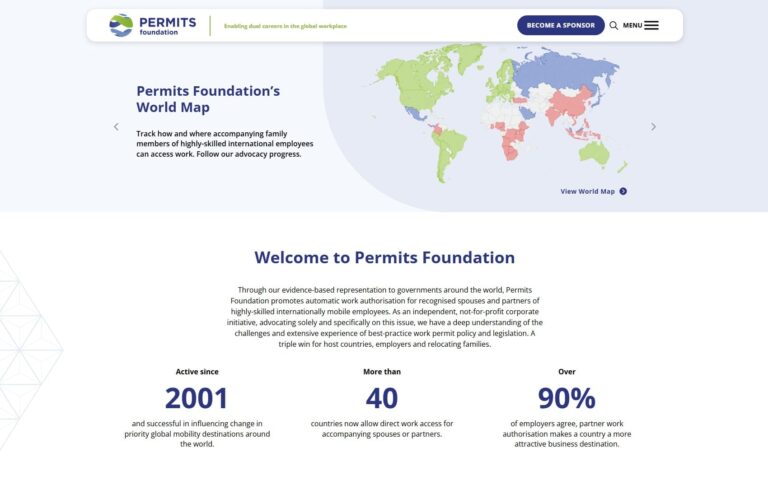
PermitsFoundation.com

Renewed a more than 20-year-old website theme to a brand new theme built
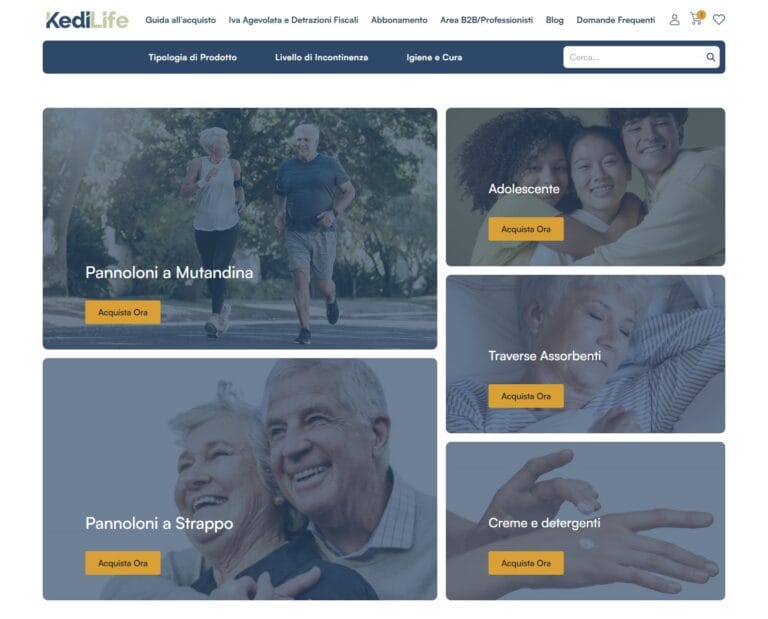
View Case StudyKediLife.it E-commerce

E-commerce Compliance & Custom Logic: Developed a custom WooCommerce theme and
View Case StudyAleksander.pro

Figma Design Methodology Validation: Deployment of a professional platform detailing a rigorous 6-Stage
View Case StudyServices & Expertise
Custom Solutions based on your needs
Target Market & Investment
Investment & Partnership FAQs
How do you approach complex performance requirements and Core Web Vitals using builders like BricksBuilder?
I prioritize performance by leveraging builders like BricksBuilder for their clean output while integrating optimized custom code where needed. My focus is on efficient asset loading, minimal DOM size, and advanced caching strategies. For instance, on projects like PermitsFoundation.com and KrakowConnect.com, I ensured complex dynamic queries and high-density content maintained a responsive, mobile-app-like speed, meeting high Core Web Vitals standards.
What is your experience in developing custom themes and plugins versus relying on off-the-shelf solutions?
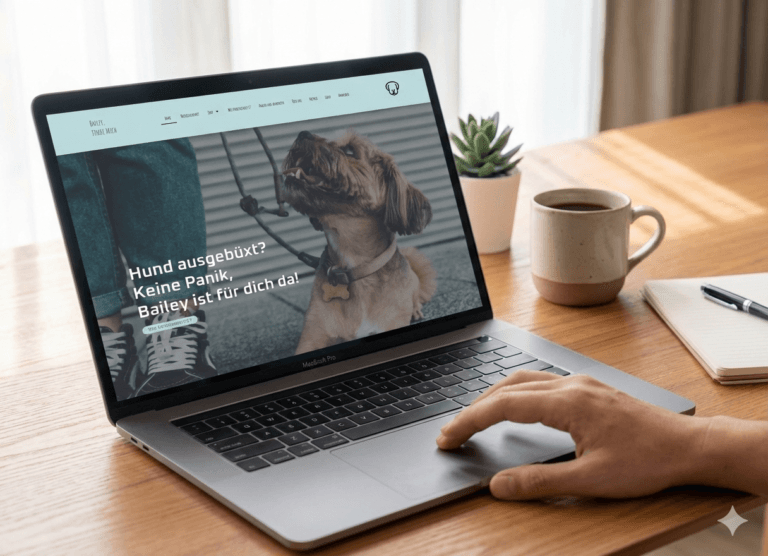
My expertise lies in building custom-coded themes and proprietary plugins. This approach is crucial for projects with specialized logic, as it guarantees security, scalability, and code that precisely fits the project requirements. The e-commerce compliance logic for Kedilife.it and the custom digital pet ID plugin for Bailey-finde-mich.ch are prime examples of creating tailored, robust solutions that off-the-shelf tools simply couldn’t provide.
Can you describe a challenging project involving complex data integration or custom visualization?
A key challenge was the Kayzen Inventory Explorer landing page. This required connecting the WordPress front-end to a remote database to display real-time programmatic analytics. I implemented a complex tracking mechanism and utilized a custom-coded Chart.js visualization (a modified Scatter Chart) to present this dynamic, time-series data accurately, demonstrating my ability to handle sophisticated front-end/back-end data communication.
How do you ensure the sites you build are future-proof and easy for clients to update without code?
Maintainability and client autonomy are crucial. I use tools like Advanced Custom Fields (ACF) to structure content and settings, allowing non-technical users to update complex sections—like site-wide content and dynamic media—without touching code, as demonstrated in the theme renewal for PermitsFoundation.com. This ensures the site remains flexible and easy to manage long after launch.
What is your process for architecting specialized e-commerce compliance and custom financial logic?
For specialized e-commerce, I begin with a deep dive into the legal requirements. On Kedilife.it, this involved custom-coding logic into the WooCommerce theme to handle Italy’s complex reduced VAT (4% Iva Agevolata) and implementing custom cumulative discount rules. Similarly, for TheAgCenter.com, I created a custom payment plugin to integrate payment with a specific partner, John Deere Financial, showcasing my ability to handle unique transactional and compliance needs.
Have you developed advanced user access, membership, or gated content systems?
Yes, I specialize in building robust gated systems for proprietary content. For UASociety.com, I developed the “Knowledge Vault” with secure registration integrated via LinkedIn for mobile app growth experts, and Cardiology-update.com required engineering a specialized platform with strict registration/login controls to ensure content was accessible only to verified healthcare professionals.
How do you handle unique functional requirements like custom post types (CPTs) or tailored membership features?
I use CPTs and dynamic queries to structure complex content in a scalable way. Examples include the dynamic, high-performance CPTs used for content discoverability on the KrakowConnect.com directory, and the highly specialized CPT created to serve as the digital pet ID/profile page for Bailey-finde-mich.ch, which integrates directly with NFC smart collars.
How do you integrate analytics to measure project success and user behavior?
I ensure every project is set up to accurately track key business metrics from day one. This involves meticulous implementation and configuration of Google Analytics (GA4), Google Search Console (GSC), and Google Tag Manager (GTM) across the platform. This allows clients to move beyond vanity metrics and understand user flow, conversion points, and content performance, as was critical for Kedilife.it.
What role does User Experience (UX) and Conversion Rate Optimization (CRO) play in your development?
Development is always guided by strategic UX and CRO goals. My focus is not just on building features, but on optimizing them for results. For Bailey-finde-mich.ch, I specifically focused on maximizing user adoption and establishing immediate brand trust through CRO best practices. For PermitsFoundation.com, the renewal centered on creating a technical structure to support a clear UX, making content easier to find and navigate, directly supporting the foundation’s goals.
Do I need to provide a complete, ready-to-develop Figma file, or can you provide the UI/UX design for me?
I offer flexibility to accommodate different client needs. I am highly proficient in taking an existing, finalized design file (from Figma, Sketch, or Adobe XD) and transforming it into a high-performance, pixel-perfect WordPress solution. Alternatively, if you do not have a design, I collaborate closely with trusted UI/UX design partners to create a tailored design based on your brand, audience, and conversion goals. We then proceed with development once the design is approved.
If I provide the UI/UX design, what file format or deliverables do you require to start development?
To ensure the most efficient and accurate development process, I require a complete, organized design file, preferably in Figma, Adobe XD or Sketch. Key deliverables should include: 1. All necessary assets (fonts, icons, images), 2. A clear style guide (colors, typography, spacing rules), 3. Responsive mockups for all key pages and breakpoints (mobile, tablet, desktop), and 4. Interactive prototypes or clear documentation for all custom animations or interactions.
Who is your primary target market?
I partner with Digital Agencies and Mid-to-Large Commercial Businesses that require specialized WordPress architecture. Our ideal clients prioritize robust, scalable systems and verifiable commercial outcomes (CRO, data fidelity, compliance) over low-cost solutions.
What types of projects justify the premium investment?
The premium investment is justified for complex, high-stakes WordPress architecture that demands specialized technical rigor to guarantee business success. I focus on projects where stability, compliance, and custom engineering are non-negotiable:
- Regulated & Compliant Platforms: Systems requiring advanced e-commerce compliance logic (e.g., custom VAT rules for Kedilife.it) or secure access control for professional audiences (e.g., Cardiology-update.com).
- High-Performance & Custom Data: Projects that rely on maximum speed, such as BricksBuilder performance migrations, or involve custom real-time data integration and visualization (e.g., Kayzen Inventory Tracker).
- Proprietary & Unique Systems: Development of custom themes and proprietary plugins for unique functionality (e.g., digital ID CPT for Bailey-finde-mich.ch) and integration with specific financial or membership providers.
This focus ensures your investment secures risk mitigation, architectural stability, and verifiable commercial outcomes.
What is the minimum project investment for development?
The minimum project requires 100 hours of development at a rate of €45/hour, totaling €4,500 EUR plus the €100 Bricks Lifetime license fee, resulting in a minimum investment of €4,600 EUR. This ensures high-performance, architecturally sound solutions built for stability and scalability.
Do you handle the full development lifecycle?
Yes. I handle the entire technical lifecycle: translating Figma designs to pixel-perfect code, custom theme/plugin creation, and ensuring managed hosting, RWD, and digital analytics integration (Google Analytics, GTM, Search Console).
Words from my colleagues and clients